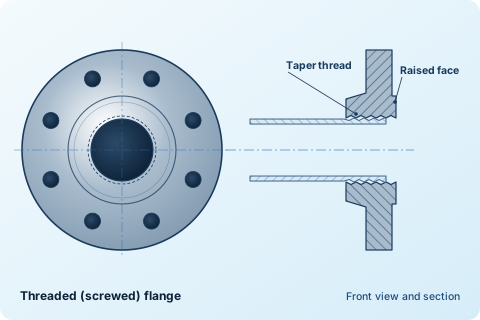
NPT or BSP: get the thread right
NPT and BSP threads look similar but do not seal together. Mixing them leaves a leak path even when the joint feels tight.
| NPT | BSP taper (BSPT) | |
|---|---|---|
| Standard | ASME B1.20.1 | ISO 7-1 / IS 554 |
| Thread angle | 60° | 55° |
| Common on | American-pattern equipment, ASME B16.5 flanges | Indian GI and MS pipes to IS 1239 |
Indian GI pipes are normally threaded BSP to IS 554, so a BSP-threaded flange is the usual match. Read our GI pipe guide for IS 1239 sizes and classes.
Assembly tips
- Check that the pipe thread and flange thread are the same type and size.
- Use a thread sealant or PTFE tape suited to the fluid and temperature.
- Screw the flange on and tighten until the bolt holes line up with the mating flange; do not back it off to align holes.
- Bolt the flanges evenly in a cross pattern.
Where not to use threaded flanges
Avoid threaded flanges on high-temperature lines, lines with vibration or large bending loads, and hazardous fluids unless your specification allows them, usually with a seal weld. For those services, use socket weld or weld neck flanges.
Where threaded flanges are used
- Galvanized water supply and plumbing lines
- Fire-fighting sprinkler and hydrant branches
- Compressed air and low-pressure gas lines
- Plants and areas where hot work permits are hard to get
- Small pump and equipment connections
Pipes and fittings to go with threaded flanges
| Pipe or fitting | Use it with these flanges when… |
|---|---|
| GI pipes (IS 1239) | the line is galvanized and threaded |
| ERW pipes | you need black MS pipe with threaded ends |
| SS round pipes | the line is stainless and threaded |
| Threaded couplings and fittings | you need sockets, elbows and tees for the same line |
Fitting out a GI water line?Send pipe sizes and lengths. We quote GI pipe, threaded flanges and fittings together.
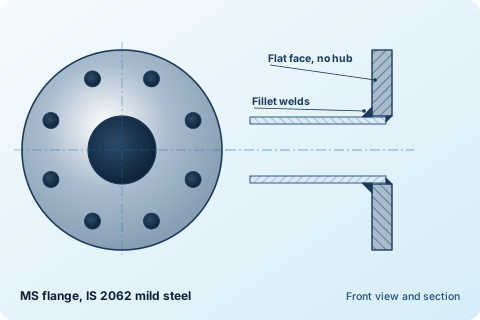 MS Flanges
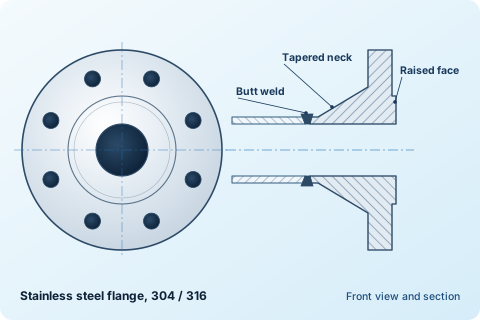 Stainless Steel Flanges
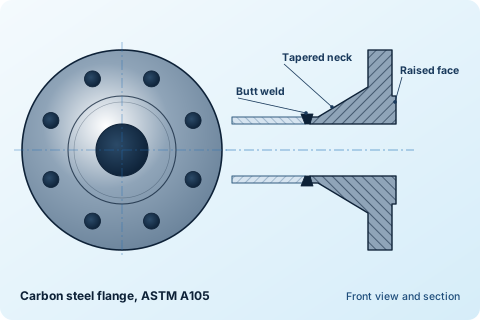 Carbon Steel Flanges
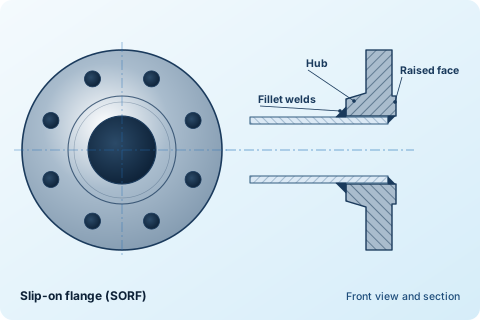 Slip-On Flanges (SORF)
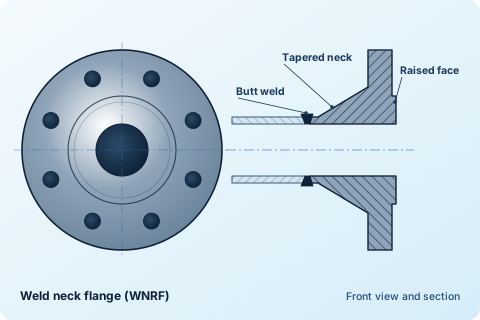 Weld Neck Flanges (WNRF)
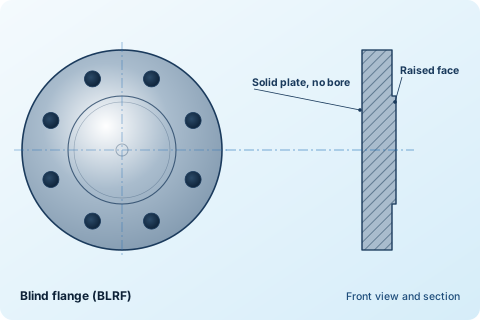 Blind Flanges
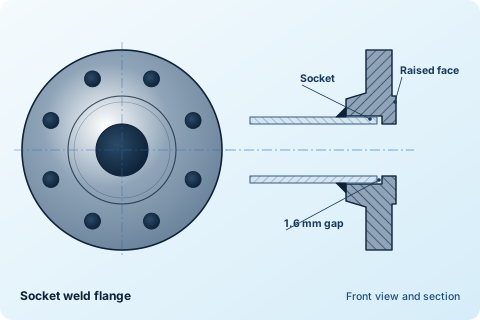 Socket Weld Flanges
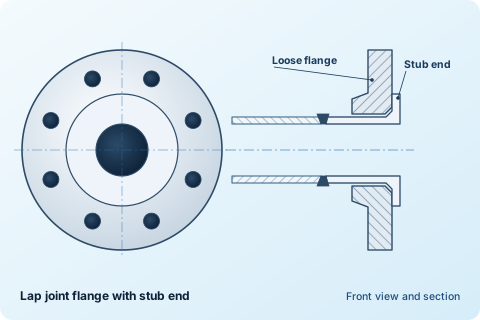 Lap Joint Flanges
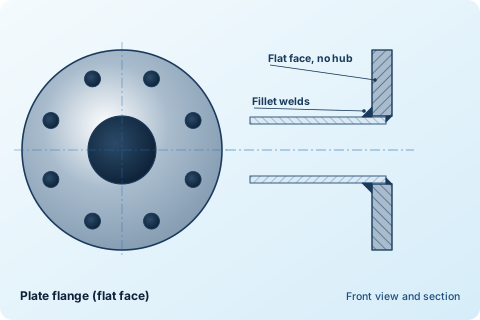 Plate Flanges
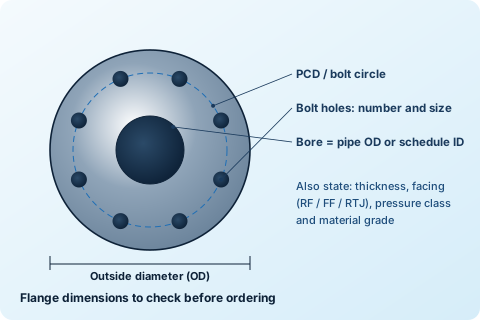 Flange Size & Class Chart